
Tile Selection and Word Formation
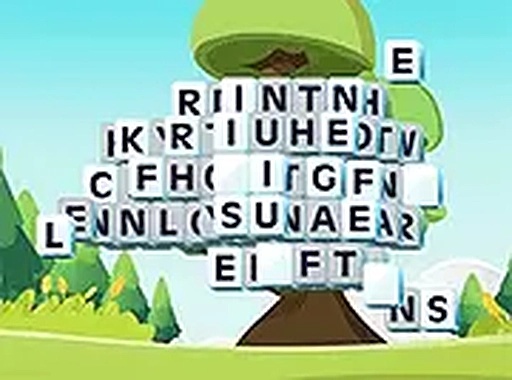
The board presents a grid of letter tiles, each showing a single letter. Not every tile is available at the start. A tile can only be picked if at least one of its sides is free—meaning it is not completely surrounded by other tiles. Players scan the grid, identify accessible letters, and combine them into valid English words. Once a word is submitted, its tiles disappear, points are awarded based on word length, and the board shifts. The round continues until the board is cleared or no further words can be formed.
Planning Ahead with Unlock Chains
Because only exposed tiles can be chosen, every removal changes what becomes available next. Taking a tile from the edge of a cluster may open a letter that was previously blocked. This turns each move into a small decision: use a letter now for a quick word, or save it to reach a higher-value tile later. Players who think two or three steps ahead can create longer words and keep the board from locking up.
Learning Without Pressure
No countdown timer or score pressure is present. Children can pause, experiment with letter combinations, and learn from mistakes. Forming words repeatedly strengthens spelling and vocabulary, while the tile-access rule adds a spatial reasoning layer that standard word searches do not have. The pace is entirely player-controlled, which suits younger audiences and anyone looking for a calm mental exercise.
Interface and Accessibility
The interface uses large, easy-to-read tiles that respond to clicks or taps. It runs in desktop and mobile browsers, and a full-screen option helps reduce distractions during focused sessions. The clean layout keeps attention on the board rather than on menus or timers.






Comments
0 comments