
Gravity as a Steering Tool
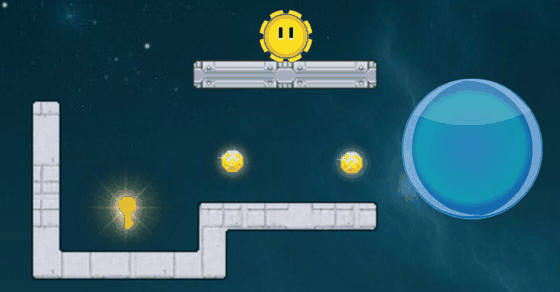
Rolling Hero 3 Gravity Maze hands control to a single idea: the screen itself is the controller. Rotating the view shifts the direction gravity pulls, and the hero rolls accordingly. There is no direct movement input. Instead, every tilt changes the hero's path, so the puzzle is less about reflexes and more about predicting where momentum will carry the character next.
Reading the Maze Before You Move
Each stage is a self-contained maze lined with walls, obstacles, and traps. Because the hero keeps rolling until something stops it, the layout punishes careless rotation. A small turn near a hazard can send the hero into it, while a wider arc might clear a gap. The intended approach is to study the full maze first, trace a route mentally, then rotate gradually rather than in sudden jerks.
Difficulty That Builds Quietly
Early mazes introduce the rotation concept with forgiving spacing and few hazards. Later stages add more walls and trap placements that demand multi-step planning, where one rotation sets up the next. The difficulty curve is steady rather than spiky, which keeps the logic challenge engaging without requiring prior puzzle experience.
Presentation and Audience
The visual style is colorful and clean, with maze elements kept readable so players can judge distances and angles at a glance. There is no inappropriate content, making the game approachable for younger players and adults who enjoy logic puzzles. The combination of simple controls and increasingly complex layouts gives it a broad appeal across skill levels.




Comments
0 comments