
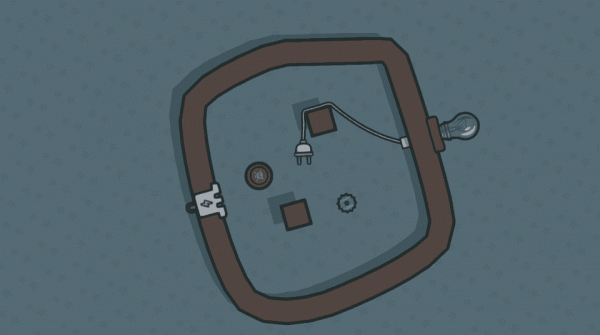
Building Circuits Step by Step
Circuit Connect Puzzle asks players to arrange electrical components on a board so that every bulb connects to the power source. The central constraint is that wires cannot cross or create shorts. Each level presents a fresh board layout, and the solution depends on the order and position of the parts you place. Because the game is built around logic rather than reflexes, the pace is entirely player-driven.
Obstacles That Shape Your Approach
As boards grow more complex, new restrictions appear. Broken wires force you to route connections around damaged sections, while limited moves mean every placement counts. These obstacles turn each puzzle into a planning exercise: you examine the board first, then decide which component to move and where. The game provides hints when a board stalls your progress, though using them reduces the challenge.
Controls and Accessibility
Interaction is limited to tapping or clicking components to reposition them. That simplicity makes the game approachable for children and adults alike, and the colorful visuals keep the board readable as layouts become denser. Feedback appears when a circuit is completed successfully, confirming that the connection is valid. There is no time pressure, so players can study a board for as long as they need.
Progression and Skill Development
Early puzzles introduce the basic rule of connecting bulbs to power without crossing wires. Later boards layer on the obstacles described above, gradually requiring more foresight. The self-contained nature of each puzzle means you can stop after any level without losing progress. Over time, regular play builds pattern recognition: players learn to spot viable routes faster and to anticipate where a short might occur before placing a component.







Comments
0 comments