

Core Objective and Movement
In Icesters Block Puzzle, the goal is straightforward: move the Icesters from their starting point to a designated safe landing area on the far side of the board. Players use a mouse or touch input to guide them. The playing field is not static—blocks shift and move in set patterns, so timing matters as much as direction. Contact with a red block sends the Icester back to the beginning of the level, undoing progress and forcing a fresh attempt. Purple blocks are trickier: touching one swaps the positions of characters, which can either help or hinder depending on the situation.
Block Types and Strategic Decisions
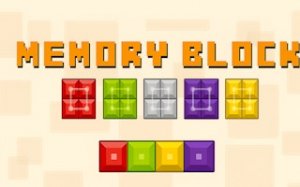
Red and purple blocks form the core hazard system. Red blocks are pure obstacles—avoid them entirely. Purple blocks introduce a positional swap that can be used to a player's advantage if the outcome is predictable. Because block arrangements change with each level, players cannot rely on memorized routes. Instead, they must observe movement cycles, identify gaps, and decide when to advance and when to wait. The game gradually adds more blocks and faster movement, so early levels teach basic pattern recognition while later ones demand quicker judgment and forward planning.
Progression and Accessibility
Difficulty rises steadily. New block configurations appear as players advance, and the pace of moving blocks increases. This structure lets beginners learn the rules without pressure while giving experienced players increasingly complex spatial puzzles. Levels are short enough for quick sessions but can be chained together for longer play. The bright, colorful visuals keep the board readable, and the simple controls mean no tutorial is needed to start moving. The game is designed for family play, with no inappropriate content and a focus on logical thinking and spatial awareness.


Comments
0 comments