

Placing Blocks on a 10x10 Grid
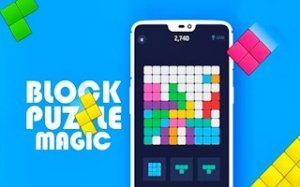
TenTrix hands players a set of block shapes and a 10x10 grid. Each shape is dragged and dropped onto empty cells, and the immediate goal is to fill entire horizontal rows or vertical columns. A completed line disappears, awards points, and returns that space to play. Because the grid is fixed and every placement consumes room, the real challenge is not clearing one line but sustaining a board that can accept the next few shapes. [IMG_1]
Rotation, Flipping, and Foresight
Before committing a block, players can rotate or flip it to improve the fit. That flexibility matters because shapes arrive in various forms and rarely align with the gaps already on the board. The game also shows upcoming blocks, so decisions are less about reacting to the current piece and more about preparing cells for what follows. A placement that scores now but seals off a corner can cost far more later.
Rising Difficulty and Endless Play
The pace increases as the score climbs, which shortens the window for planning several steps ahead. There are no time limits, so the pressure comes from the board filling up rather than a clock. A session ends only when no remaining block can be placed anywhere on the grid. That structure supports quick breaks and longer planning sessions equally, and it rewards players who treat empty space as a resource. [IMG_2]
Who TenTrix Suits
Clean, colorful visuals and responsive drag-and-drop controls keep the interface out of the way. The rules take a minute to understand, but the depth sits in spatial reasoning and forward planning rather than reflexes. Players who enjoy arranging shapes, weighing trade-offs, and recovering from tight boards will find more to work with than the simple premise suggests.




Comments
0 comments