
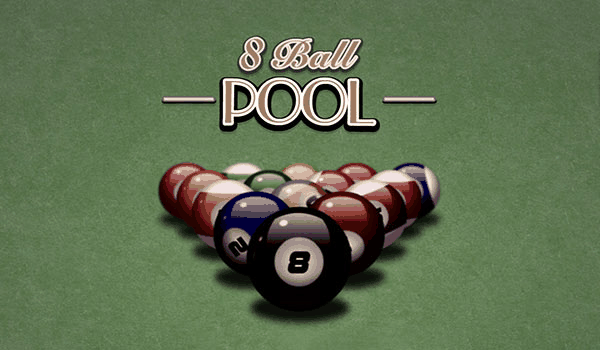
Authentic Physics and Ball Behavior
Classic Pool Billiards uses a physics engine to replicate how balls move and collide on a felt table. Every shot depends on the angle of your cue and the force you apply. The engine calculates momentum transfer, so a soft tap near a rail produces a different result than a firm strike at the center of the cue ball. This consistency lets you learn from each attempt and adjust your approach. The clean interface removes visual clutter, keeping attention on the table and the shot you are about to take.
Turn-Based Play Against Friends or AI
Before a match begins, you choose an opponent: a friend sharing the same device or a computer-controlled player. Turns alternate as each side attempts to pocket their designated balls. Standard billiards rules apply, meaning you must sink your assigned group in the correct order. Pocketing an opponent's ball or failing to hit your own can hand the advantage to the other player. The computer opponent provides a consistent practice partner, while local multiplayer turns the game into a direct contest of aim and planning.
Controls That Reward Precision
Aiming and power are set by clicking and dragging with a mouse or by touching and dragging on a touch screen. Releasing the input strikes the cue ball. Direction and force are controlled in the same motion, which keeps the interface simple but leaves room for subtle adjustments. Beginners can make basic shots quickly, while experienced players can refine cue ball placement for future turns. The drag mechanic also means there are no hidden menus or complex button combinations to memorize.
Planning the Next Shot
Success in Classic Pool Billiards depends on more than pocketing the current ball. Where the cue ball stops after a shot determines what you can attempt next. Leaving it near a rail or behind another ball limits your options. Planning two or three shots ahead, and using the physics engine's predictable behavior, separates casual players from those who win consistently. Patience matters: rushed shots often leave the table in a worse position than a slower, deliberate attempt.



Comments
0 comments