

Kitchen Rhythm and Order Flow
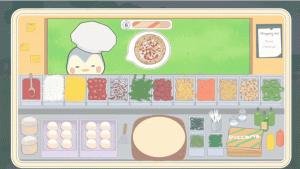
Chef Overload drops players into a lively restaurant where the goal is a five-star dining experience. You control a character who moves between stations to take orders, gather ingredients, and cook meals. Each dish follows a sequence: receive the order, collect what you need, use the correct cooking station, then deliver the finished plate before the customer's patience runs out. The challenge comes from overlapping orders, so you are constantly deciding what to start next and which station to visit first.
Multitasking Under Pressure
Timers drive everything. While one dish cooks, another customer may be waiting to order, and a third might be close to leaving. Efficient movement around the restaurant matters as much as cooking speed. The game rewards players who learn the layout and plan short routes between stations. Simple keyboard and mouse controls keep the focus on decision-making rather than complex inputs, but the pace quickly turns routine tasks into a test of prioritization.
Cooperative Play and Staff Coordination
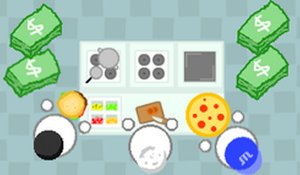
Multiplayer lets friends join the same kitchen. In co-op, success depends on dividing tasks: one player might handle orders while another focuses on cooking, and a third serves finished meals. Without communication, teammates can collide or duplicate work, so calling out what you are doing helps. The cooperative layer adds a social puzzle on top of the time-management core, making coordination as important as individual speed.
Who Thrives in This Kitchen
Fans of cooking and management games will find familiar territory here, but the emphasis on simultaneous orders and cooperative chaos sets it apart. The learning curve is gentle, yet earning top ratings requires practice and calm under pressure. Repeating levels to improve speed and accuracy is part of the loop. If you enjoy fast-paced multitasking and working with others under a timer, Chef Overload offers a focused version of that experience.








Comments
0 comments