

Merging Blocks for Income
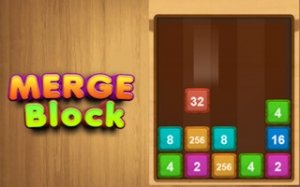
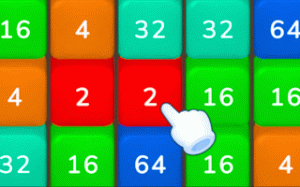
Block Merge Puzzle centers on a single, repeatable action: dragging one block onto another of the same type. When two identical blocks meet, they fuse into a higher-tier block. That new block generates income faster than the blocks that formed it. The cycle is straightforward, but the order and timing of merges determine how quickly your income grows. Because the game is idle and incremental, progress continues even when you are not actively merging, though active play speeds up results.
Upgrades and Strategic Choices
Income from merged blocks funds upgrades purchased in the shop. These upgrades serve different purposes: some increase the rate at which blocks produce income, others improve merging efficiency, and a few unlock entirely new block types. Choosing which upgrades to buy first shapes your run. Early income boosts tend to accelerate progress, while merge-speed upgrades help you create higher-tier blocks more quickly. There is no single correct path; experimenting with different upgrade combinations is part of the game's depth.
Prestige Layers and Long-Term Progression
As progress slows, players can choose to prestige. Prestiging resets most gains but grants a permanent multiplier or bonus that carries over to future runs. The game includes multiple prestige layers, meaning each reset can unlock further bonuses that make subsequent runs more powerful. This structure provides lasting progression and encourages players to plan when to reset for the best long-term benefit. New block types become available as players advance, keeping the merging loop from feeling static.
Controls and Accessibility
Block Merge Puzzle uses mouse-only controls. Dragging blocks is intuitive and responsive, so new players can start merging immediately without learning complex inputs. The simple control scheme makes the game suitable for casual play, while the upgrade and prestige systems give dedicated players enough depth to plan efficient strategies. The game rewards careful planning and efficient merging rather than fast reflexes.




Comments
0 comments