
Surveying the Terrain
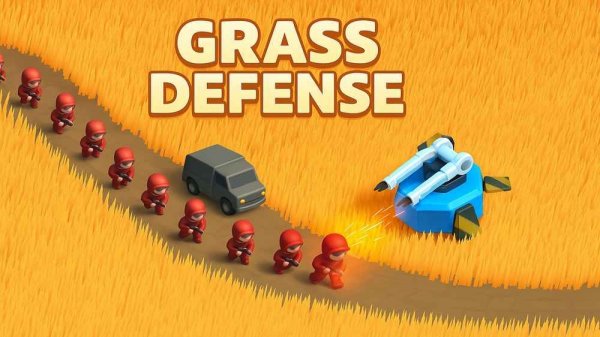
Each session begins with a planning phase. You examine the landscape to identify where creatures will travel, then place defensive structures to intercept them. Location matters: some spots offer wide coverage, while others create narrow chokepoints that force creatures into concentrated paths. Once towers are set, the action phase runs automatically, letting you observe how your layout performs. Resources earned from completed waves fund new towers or upgrades, and the cycle of planning, watching, and adjusting drives the experience.
Reading Creature Movement
Creatures follow distinct patterns that evolve over time. Early waves use simple approaches, but later groups may split, circle around obstacles, or move in staggered formations. Fast creatures cross open ground quickly, while slower ones take longer routes that expose them to more fire. Recognizing these differences helps you choose which tower types to build and where to place them. The game allows free experimentation, so you can try different combinations without penalty and learn from each attempt.
Balancing Short and Long-Term Spending
Resources are limited, and each wave provides a fixed amount. You decide whether to upgrade existing towers for immediate effect or save for more expensive structures that might handle tougher waves later. Every purchase has an opportunity cost. The interface clearly shows resource counts and upgrade costs, making trade-offs transparent. This economy layer adds depth beyond simple tower placement, rewarding players who think ahead without punishing those who prefer a more reactive style.
Adapting to Different Environments
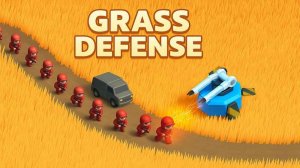
The game includes multiple settings that shape defensive tactics. Open meadows allow flexible tower placement, while forests introduce natural barriers that funnel creatures into predictable routes. Mountain passes create tight corridors, and river crossings slow creatures down. Each environment demands a fresh look at your layout. The visual design uses bright colors and gentle animations, with no dark or frightening imagery, making it suitable for all ages.
Progression Without Pressure
No timers or countdowns force quick decisions. You can take as long as you need to analyze creature behavior and tower effects. New players can learn at a comfortable pace, while experienced players find depth in optimizing resource usage and tower combinations. The difficulty curve rises gradually, introducing new creature types and environmental challenges at a steady rate. This design keeps the game engaging without becoming overwhelming.


Comments
0 comments