
Merging Mechanics and Chain Reactions
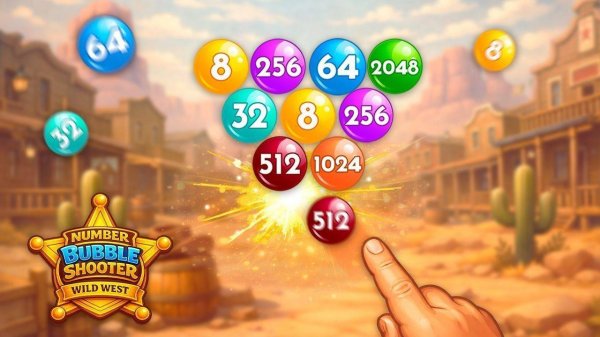
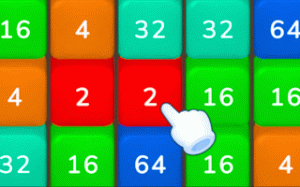
Every shot begins from a launcher aimed at a cluster of numbered balloons. The core rule is simple: when your launched balloon contacts two or more balloons bearing the same number, they combine into a single balloon with a higher value. Two 3s become a 6. Because merged balloons can then touch other matching numbers, a single well-placed shot may set off a chain reaction that clears a large section of the board. The challenge is not aiming alone but predicting how each merge will reshape the cluster.
Level Goals and Obstacle Progression
Each stage presents a specific target, such as clearing a set number of balloons or reaching a score threshold. Early puzzles introduce merging with straightforward clusters. Later stages add obstacles that alter balloon trajectories or demand more precise aiming. Some levels include special balloon types that behave differently, such as those that cannot be merged or that explode on contact. This variety pushes players to adapt their approach rather than repeat one successful pattern.
Planning Shots and Managing the Board
Success depends on shot sequencing. Players must decide whether to clear the bottom of the cluster first to prevent the board from filling up, or to aim for high-value merges that yield more points. That trade-off between immediate gains and long-term setup gives each level a mental exercise quality. The controls are easy to learn, but the strategic depth rewards players who think several moves ahead.
Visual Style and Accessible Pace
The game uses a lighthearted Western theme with colorful, cartoonish graphics. Each balloon type is distinguishable by its number and color, and the clean presentation keeps attention on the puzzle. Animations are smooth, especially when a chain reaction clears multiple balloons. Progression is designed to be accessible, letting players advance at their own pace without punishing failure, which makes it suitable for both children and adults.



Comments
0 comments