
Meet the Three Friends
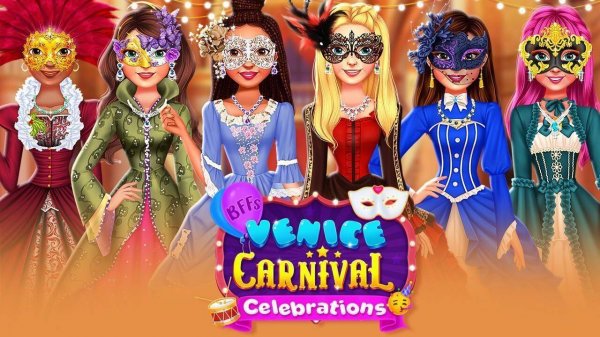
Masquerade Festival Styling Friends opens with three characters, each written with a distinct personality that shapes what they might wear. The game does not push a single correct look; instead, it asks players to read those personalities and choose pieces that feel right for each friend. That framing turns a simple dress-up loop into a light character exercise, where the goal is a coherent look rather than a random assortment of items.
The Virtual Closet and Costume Choices
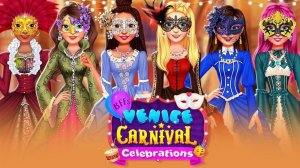
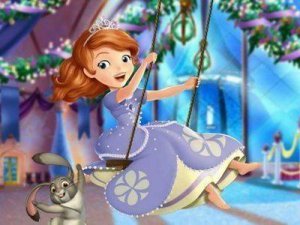
The wardrobe mixes traditional festival attire with modern cuts. Long gowns with intricate detailing sit alongside shorter, more contemporary outfits. Tops, bottoms, and full outfits can be combined, so players are not locked into preset ensembles. Color and pattern matter here: the game treats coordination between pieces as part of the challenge, and the celebratory mood of the festival gives players a reason to favor bright, rich combinations over muted ones. [IMG_1]
Hairstyling and Mask Selection
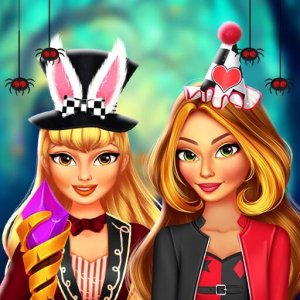
After the outfit is set, players move to a hairstyling station. Options range from classic updos to flowing curls, and the right choice frames the face while supporting the costume. The final step is the mask, drawn from a collection of shapes and colors that reflect festival tradition. Because the mask sits at eye level, it often determines whether the overall look reads as elegant, playful, or bold. [IMG_2]
Experimentation Without Pressure
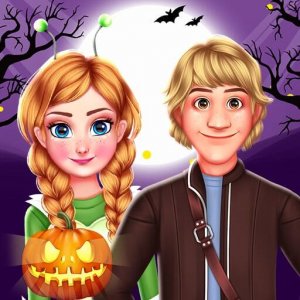
An undo button lets players reverse any choice, which lowers the cost of trying something unusual. Color coordination is presented as a key skill, but the game also rewards bold decisions, so there is no single scoring path. This design keeps the focus on self-expression and repeated attempts rather than a one-shot result. [IMG_3]
Friendship and Family-Friendly Design
The three friends prepare together, and cooperation is part of the theme rather than a competitive layer. The controls and pacing are built to be accessible for younger players, while the range of costume pieces gives older players room to refine their choices. The result is a styling game that treats creativity as the main activity, not a side feature.
Comments
0 comments