
Core Gameplay Loop
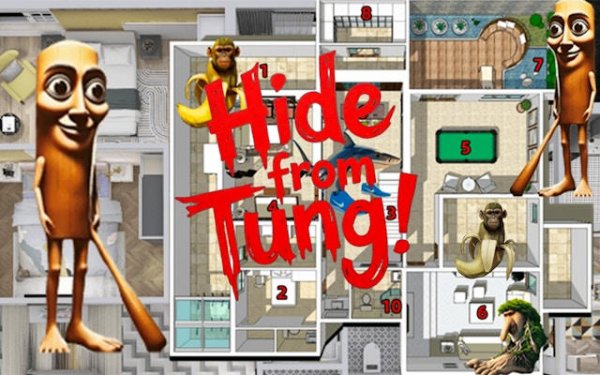
In Sneaky Spot, players take turns hiding in a detailed home environment. The goal is to find a spot where the seeker is unlikely to look. Each round begins with a short countdown, giving the hider time to move through rooms and select a location. Once hidden, the player must remain still and silent. The seeker patrols the area, checking behind furniture and inside closets. Success depends on choosing a spot that blends in with the surroundings and staying patient as the seeker passes by.
Room Variety and Hiding Spots
The game includes several rooms, such as a kitchen, bathroom, and living room. Each room has unique furniture and objects that can serve as hiding places. For example, the kitchen offers cabinets and under the table, while the living room has sofas and curtains. The layout changes slightly between rounds, so players must adapt their strategy. This variety keeps the experience fresh and encourages exploration.
Difficulty Progression
As players advance, the seeker becomes more attentive and may check spots more thoroughly. Later rounds may introduce additional seekers, making it harder to remain undetected. The game gradually increases the challenge without becoming frustrating. This progression helps players improve their hiding skills and learn to read the seeker's movements. It also adds replay value, as each round feels different from the last.
Visual Style and Atmosphere
Sneaky Spot uses bright, colorful graphics with a cartoon-like aesthetic. Characters have exaggerated expressions and playful animations that add humor. The sound design includes soft footsteps and ambient room noises, which heighten the tension when the seeker is near. The overall tone is cheerful and non-threatening, making it suitable for young children. The visual cues help players understand when they are safe or in danger.
Family-Friendly Design
The controls are simple, requiring only basic movements and selection actions. This makes the game accessible to players of all ages, including those who are not experienced with video games. There is no time limit, so players can take their time choosing a spot. The game encourages communication and laughter, as family members can take turns hiding and seeking. It is designed to be a shared experience rather than a competitive one.
Strategic Elements
While the game is easy to pick up, there is room for strategic thinking. Players must decide whether to hide in an obvious spot that the seeker might overlook or a more hidden location that requires extra effort to reach. Observing the seeker's pattern can help predict where they will look next. Some rounds may include distractions that players can use to mislead the seeker. These choices add depth without making the game complicated.








Comments
0 comments