
The One-Button Run
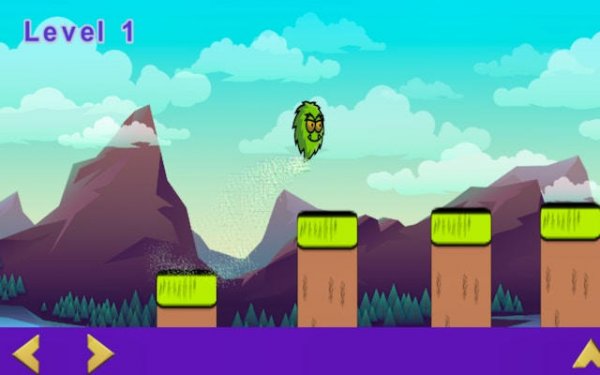
Timed Hop: Reflex Dash strips platforming down to a single input: jump. Your character moves forward on its own, and you never control speed or direction. The only decision is when to tap. Gaps and obstacles scroll toward you, and clearing them depends on judging distance and timing. A jump that lands too early or too late ends the run immediately, returning you to the start. That narrow focus is the point — there is nothing to manage except your own reaction.
Rising Tempo, No Safety Net
The opening pace is deliberately comfortable, giving new players room to learn the rhythm of the obstacles. Survive longer, and the game accelerates. What felt easy at the start becomes a test of split-second decision-making as the scroll speed climbs. There are no checkpoints and no power-ups to soften mistakes. Progress comes only from sharper timing and growing familiarity with the game's tempo, so each attempt builds on the last.
Reading the Path
Obstacle variety keeps the single mechanic from flattening out. Wide gaps demand a late jump; narrow ones can appear with little warning. Some obstacles call for a double jump or a precise tap to clear. Because the patterns shift, you cannot rely on one fixed rhythm — you have to read the environment and anticipate what is coming. Learning to recognize those cues is what separates a short run from a high score.
Practice, Feedback, and Focus
Each run is short and ends with immediate feedback, which makes mistakes easy to diagnose and correct. The game rewards consistent practice rather than luck. Over time, hand-eye coordination sharpens and the obstacle rhythm becomes internalized. A steadily climbing high score is the main measure of progress. Sessions fit easily into spare minutes, and the clean visual style — bright colors against a readable background — keeps attention on the action rather than on distractions.






Comments
0 comments