
Tap Timing and Forward Motion
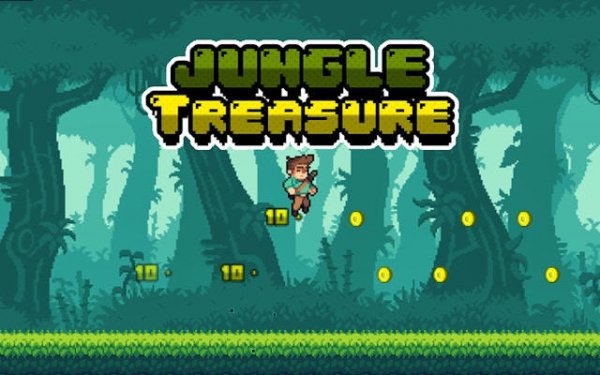
In Jungle Leap Runner, the character advances automatically along a jungle path. Your only input is a tap or click, used to jump over obstacles such as rocks and logs. The challenge lies in timing: jumping too early or too late causes a stumble that slows your progress. Because the run never stops, every jump is a small decision that either preserves momentum or costs you speed.
Procedural Paths and Obstacle Placement
Each run generates a fresh path, so obstacle and treasure positions change every time. You cannot memorize a single route and repeat it. Instead, you must read the upcoming layout and react to whatever the jungle presents. This randomness keeps repeated sessions from feeling identical and encourages alert, adaptive play rather than route memorization.
Treasure Risk and Scoring
Score increases with every coin and jewel you collect. These treasures often sit near obstacles, which forces a trade-off: grab them for points or play safe and keep your rhythm. Collecting everything demands precise timing and a willingness to take risks, adding a strategic layer to the simple jump mechanic. The placement of valuables is what turns a basic tap action into a scoring chase.
Pace, Difficulty, and Visual Mood
Game speed rises gradually as you progress. Early runs feel relaxed and give you room to learn the controls, while later stages require faster reactions and better anticipation. The pixel art uses bright greens, blues, and golds, creating a lively jungle rather than a threatening one. Upbeat background music and coin-collection sound effects reinforce the energetic, quick-session feel.









Comments
0 comments